|
In partnership with
|

|
|
|
|
|
|
|
In This Edition:
|
-
The Pitch That Made a16z
Say Yes
-
The Real Reason Startups
Fail
-
How Founders Lose Equity
Fast
-
Why Future Unicorns Won’t
Need Big Teams
-
❌
Why ‘Interested’ Customers
Never Buy
-
How Founders Build Hype
Before Launch
|
|
|
Startups who
switch to Intercom
can save up to
$12,000/year
|
|
|
|
Startups who read
beehiiv can
receive a 90%
discount on Intercom's
AI-first
customer
service
platform, plus Fin—the #1
AI agent for
customer
service—free for a
full year.
|
|
That's like
having a full-time
human support
agent at no
cost.
|
|
What’s
included?
|
|
|
|
Who’s
eligible?
|
|
Intercom’s
program is for
high-growth,
high-potential
companies that
are:
|
|
|
|
Apply
now
|
|
|
|
|
|
How Top
Founders Build
Buzz Months
Before
Launch
|
Why Smart
Startups Launch
Newsletters
Before
Products
|
|
In the race to
launch a startup,
marketing often
takes a
backseat—but
neglecting direct
communication
channels can cost
valuable early
traction.
|
|
An email
newsletter remains
one of the most
effective,
low-cost tools to
build
relationships,
share your
journey, and shape
brand trust even
before
launch.
|
|
Key
Insights:
|
-
Tell Your
Story:
Let people
in on your
journey from
idea to
launch.
-
Build
Your
Tribe:
Turn curious
visitors
into loyal
followers.
-
Add Real
Value:
Share
insights
your
audience
actually
wants.
-
Get
Inside
Minds:
Use polls
and clicks
to learn
what matters
most.
-
Find Your
Voice:
Craft the
tone and
style your
brand will
be known
for.
|
|
A newsletter
isn’t just a
marketing
tool—it’s your
startup’s
storytelling
engine. Build
trust, collect
insights, and grow
your audience long
before
launch.
|
|
Read the
full guide
to discover
actionable
steps for
starting
your
newsletter
today.
|
|
|
|
|
|
Why Most
Startups Fail
Isn’t What You
Think
|
Why Most
Startups Fail,
And It’s Not
Because of
Competitors
|
|
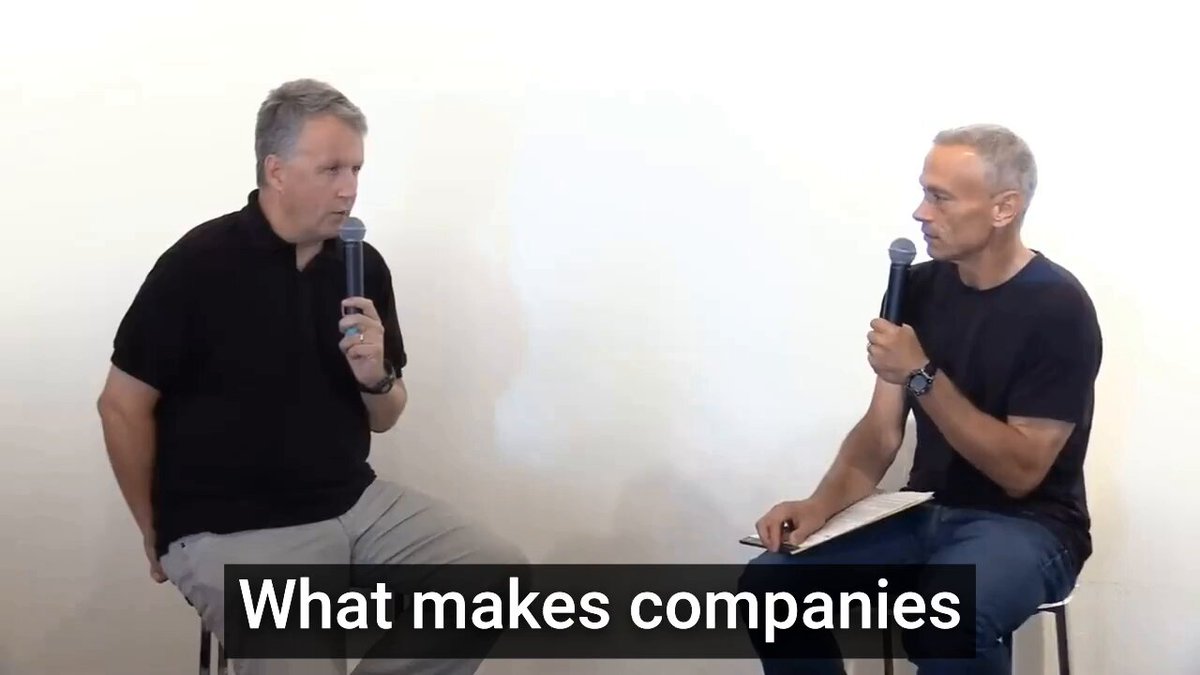
Paul Graham has a
simple message for
founders: don’t.
|
|
From YC’s massive
dataset of
startups, very few
have ever been
killed by
competitors.
|
|
What actually
destroys most
companies? Poor execution
by the founders
themselves.
|
|
PG puts it
bluntly:
|
|
Startups have as
much risk from
competitors as
small planes do
from colliding
mid-air in the
clouds — space is
that large.
|
|
So, what should
you do when a new
competitor pops
up?
|
|
PG’s analogy: Imagine
running the
100 meters.
Suddenly,
another lane
opens with
someone next
to you. Do you
stop? Panic?
Look
sideways?
No. You run as
fast as you can,
exactly like you
were already
doing.
|
|
That’s the
playbook: focus on your
execution, not
theirs.
|
|
Watch the video
here
— and remind
yourself why the
real race is
always against
time, not the
runner in the next
lane.
️
|

|
Startup
Archive
@StartupArchive_
|

|
|
|
|
Paul
Graham
explains
why
your
startup
shouldn’t
stress
over
competitors
“What
makes
companies
fail
most
of
the
time
is
poor
execution
by
the
founders.”
Y
Combinator
has
seen
a
large
data
set
of
startups,
and
very
few
of
them
have
been
killed
by
competitors.
“I
tell
startups
|
|
|
|
|
|
11:50
AM
•
Jul
9,
2024
|
|
|
|
|
|
|
487
Likes
72
Retweets
|
|
9
Replies
|
|
|
|
|
|
|
Your time deserves better work
|
|
|
|
Clearing inboxes won’t grow your
business.
Wing
gives you a dedicated virtual
assistant to run scheduling, admin,
and follow-ups. So every hour you
save can turn into momentum you can
scale.
|
|
Reclaim your hours now
|
|
|
|
Why Founders
Lose Equity
Without
Realizing
It
|
⚖️ Don’t Sign
Blind: The
Smarter Way
Founders Review
Legal Docs
|
|
Founders are
constantly
bombarded with
agreements—investor
term sheets,
partnership
contracts, SaaS
vendor deals,
NDAs. Let’s be
honest: most of us
skim, nod, and
sign.
|
|
That’s risky.
Hidden clauses can
quietly drain
equity, trap you
in unfair
obligations, or
expose you to
liability you
didn’t
anticipate.
|
|
Here’s a smarter
hack:
|
|
Before signing,
dump the entire
doc into Grok (or your
favorite AI)
and ask:
“Read this for
me and tell me
what I should
know before
signing.”
|
|
AI isn’t your
lawyer (yet), but
it catches what
your tired eyes
skim over—payment
terms, renewal
traps, exclusivity
clauses, and
anything that feels off.
|
|
Of course, always
run major deals by
a legal
professional. But
for those
day-to-day forms,
letting AI act as
your first line of
defense can save
you from
founder-level
regret.
|
|
Founder
takeaway:
Don’t skim. Don’t
wing it. Use AI as
your filter, then
get a lawyer’s
brain on the big
stuff.
|

|
Elon
Musk
@elonmusk
|
|
|
|
|
Try
it
out!
|
|
 Dan
@KettlebellDan
Dan
@KettlebellDan
hot
tip:
before
you
sign
any
legal
forms,
dump
the
who
thing
into
Grok
and
ask
it
to
"read
this
for
me
and
tell
me
what
I
should
know
before
signing"
Grok
isn't
a
lawyer
(yet)
but
neither
are
you,
and
let's
admit
you
skim
anyway
and
thus
expose
yourself
to
a
lot
of
risk
|
|
|
|
|
9:46
PM
•
Oct
8,
2025
|
|
|
|
|
|
|
76.5K
Likes
10.4K
Retweets
|
|
4.4K
Replies
|
|
|
|
|
|
|
|
Why a16z
Invested in
Burbn, Not
Instagram
|
Why a16z Bet on
a Pitch—Not a
Product
|
|
Venture capital
isn’t just about
numbers—it’s about
persuasion. Marc
Andreessen once
revealed that a
founder’s ability
to pitch
can be as critical
as their product
metrics. His
insight sheds
light on why a16z
invested in
Burbn—long before
it transformed
into
Instagram.
|
|
Key
Insights:
|
-
Pitch
Power
Matters:
Even with
strong
metrics,
founders
must sell a
compelling
vision.
-
VCs Want
to Say
Yes:
Unlike
customers or
engineers,
investors
are wired to
invest—make
it easy for
them.
-
Early-Stage
Reality:
Before
product-market
fit,
investors
bet on
founders,
not
features.
-
Kevin
Systrom’s
Edge:
Burbn’s
founder
stood out by
mastering
storytelling
and
persuasion.
|
|
Great startups
don’t just grow—they sell
their story.
Explore how a16z’s
investment in
Burbn reveals the
hidden art of
pitching that
every founder must
master. Read the
full
breakdown
inside.
|
|
|
|
|
|
Why Future
Unicorns Won’t
Need Big
Teams
|
Can AI Replace
90% of Your
Startup Team?
|
|
If AI can code,
design, and
execute, do
startups still
need large teams? Lightcone
explores whether
the next
billion-dollar
company could be
built by just ten
people.
|
|
Key
Insights:
|
-
AI Codes
Fast:
Machines now
handle
complex
programming.
-
Lean
Teams
Win:
Fewer
people,
faster
execution.
-
Learn to
Think:
Coding still
builds
critical
problem-solving
skills.
-
New
Startup
Model:
Small, elite
teams—like
sports
squads, not
families.
|
|
AI is shrinking
startup teams and
expanding
possibilities. Watch the
full debate to
see what this
means for
founders.
️
|

|
|
10
People
+
AI
=
Billion
Dollar
Company?
|
|
|
|
|
|
|
|
|
|
|
|
❌ Why Most
‘Interested’
Customers
Never Buy
|
This One
Question Could
Save Your
Startup
Millions
|
|
Early enthusiasm
from a potential
customer can feel
like
validation—but for
many startups,
it’s a costly
trap. Without a
clear roadmap from
demo to purchase,
even the most
promising
conversations can
waste time, burn
resources, and
crush
morale.
|
|
Key
Insights:
|
-
Don’t
Confuse
Interest
with
Intent:
Excitement
from
prospects
doesn’t
equal buying
authority.
-
Ask the
Right
Questions
Early:
Confirm
budget,
decision
timeline,
and purchase
process
before
building
prototypes.
-
Guard
Engineering
Resources:
Every
unqualified
demo drains
momentum and
delays
product
progress.
-
Validate
Commitment:
A “fully
cancelable”
purchase
order
separates
serious
buyers from
tire-kickers.
-
Learn
from
Resistance:
Pushback
reveals
decision
chains,
approval
bottlenecks,
and true
buyer
readiness.
|
|
The best founders
don’t chase
deals—they qualify
them. Read the
full story
to learn
how one
startup
turned
wasted
demos into
high-conversion
sales.
|
|
|
|
|
|
|
|