🔎What the Epstein files reveal about EV startups
🚀 Inside a16z Speedrun

In This Edition:
- 🚨What the Epstein files reveal about EV startups
- 🚀 Inside a16z Speedrun
- 🛠️ AI Workflow Automation Tools
- 📚 Free Y Combinator Resources for Founders
- 🧠 Naval Ravikant’s Mental Models
- 🤖 OpenClaw creator Peter Steinberger joins OpenAI
🚨What the Epstein files reveal about EV startups
🔎 What the Epstein Files Reveal About EV Startups

Newly released documents reveal unexpected links between Jeffrey Epstein’s network and early electric vehicle startups — offering a rare look at the shadow players behind the hype.
Key takeaways:
- 🔍 A mysterious dealmaker, David Stern, pitched Epstein on investments in Faraday Future, Lucid Motors, and Canoo.
- ⚡ The early EV gold rush attracted secretive global capital and opaque funding structures.
- 💰 Emails point to a focus on fast profits rather than long-term company building.
- 📉 Canoo’s complex investor web highlights how little was known about early backers.
- 🕰️ Many interactions happened after Epstein’s 2008 conviction, raising bigger questions about power and access in tech.
Why it matters:
A reminder that hype cycles often attract hidden actors — and new information can reshape how an entire era is understood.
👉 Explore the full story and what it could mean for Silicon Valley →
🚀 Inside a16z Speedrun: How Founders Actually Get In
🚀 Inside a16z Speedrun: How Founders Actually Get In
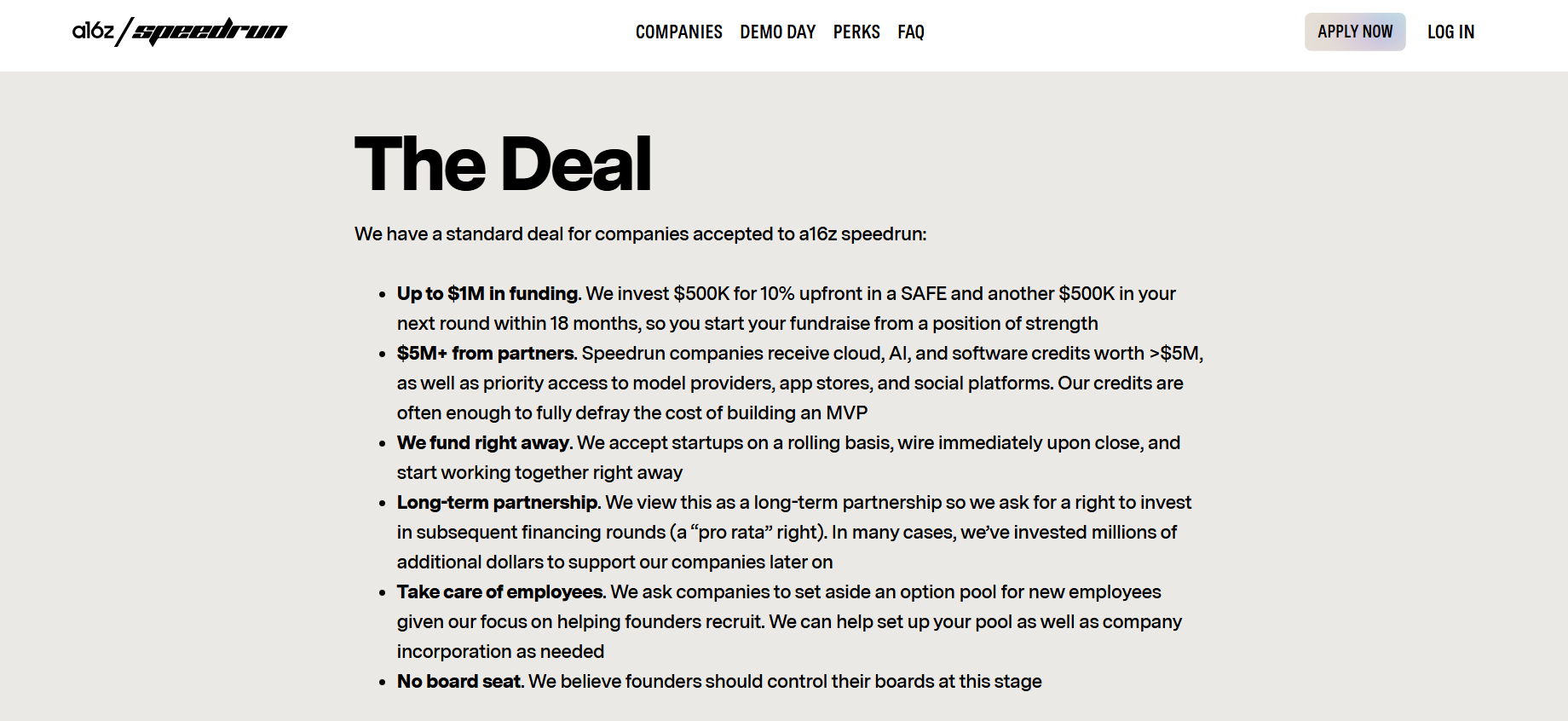
Andreessen Horowitz’s Speedrun has quickly become one of the toughest startup accelerators to crack — with fewer than 0.4% of applicants making the cut. But new insights reveal what really separates accepted founders from the rest.
Key insights:
- 🎯 Acceptance is brutal — 19,000+ startups applied, only a tiny fraction got in.
- 💰 Up to $1M investment, plus access to a16z’s powerful operator network and $5M+ in partner credits.
- 👥 The founding team matters most — complementary skills, shared history, and self-awareness stand out.
- 🔥 Traction beats theory — even a small “spark” of validation can make a big difference.
- 🤖 AI can polish applications, but clear thinking and live storytelling still decide the outcome.
- 🌐 Founders who aggressively leverage the network get the most value from the program.
Why it matters:
Speedrun isn’t just funding — it’s a signal of how top investors evaluate founders in the AI era, where clarity, conviction, and execution matter more than hype.
👉 See the full playbook founders are using to stand out →
🛠️ Tool Guide: AI Workflow Automation Tools
🛠️ Tool Guide: AI Workflow Automation Tools
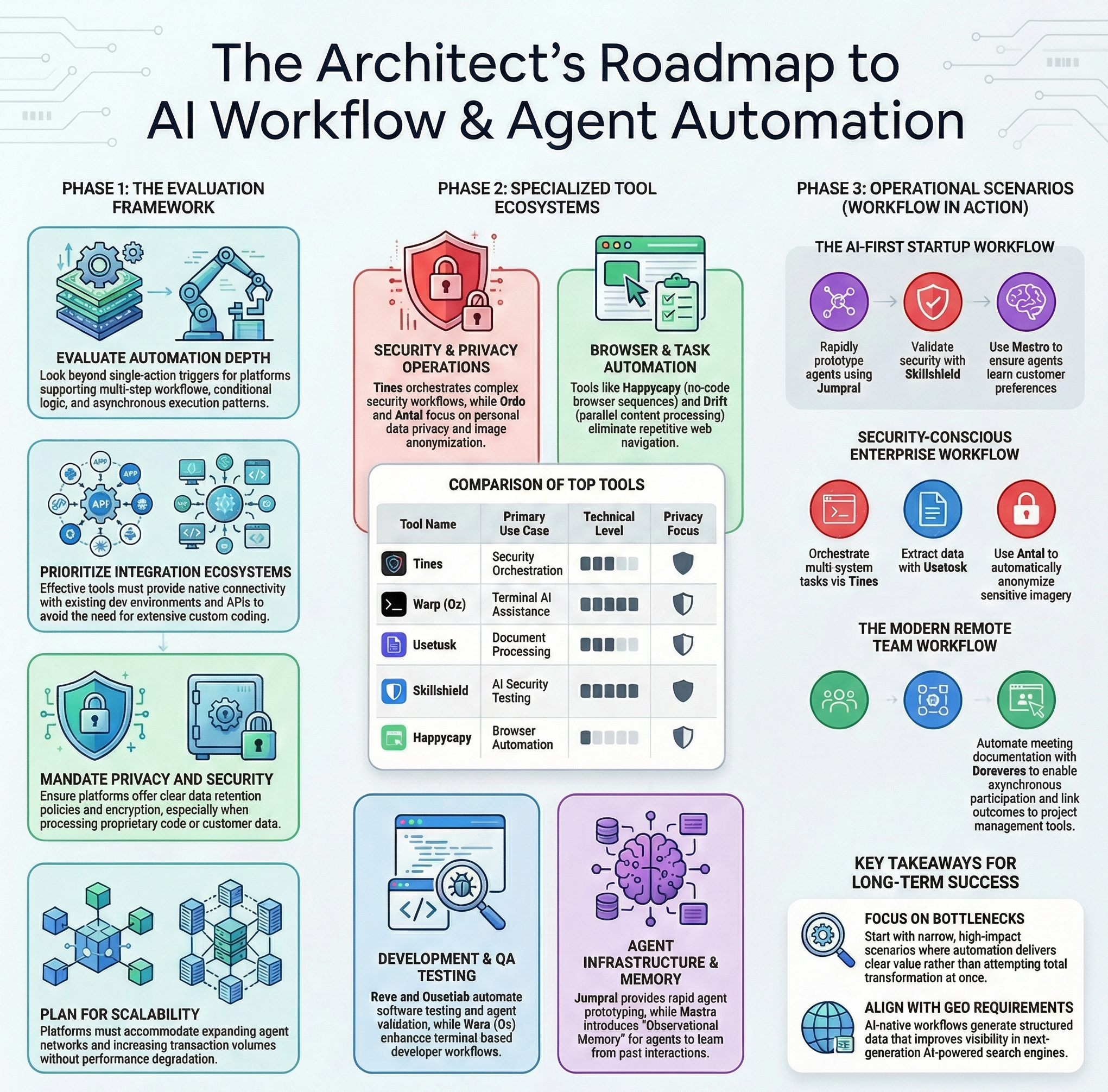
AI workflow automation is quickly becoming essential for modern teams — helping analyze past workflows, predict bottlenecks, and optimize task sequencing using data-driven insights.
Featured tools from the guide + ecosystem:
- ⚙️ Unify — Automates go-to-market workflows and outbound processes with AI.
- 🤖 ClickUp — Combines project management with AI-powered task automation.
- 🔗 n8n — Flexible automation platform for building custom workflows.
- 🧠 Bardeen — Browser-based AI assistant for automating repetitive web tasks.
- 🏢 Artisan AI — AI agents designed to automate business operations.
Why it matters:
AI automation tools help teams reduce manual work, uncover hidden inefficiencies, and focus on higher-value execution instead of repetitive coordination.
Explore the full guide to discover the best tools for your workflows →
📚 Free Y Combinator Resources Every Founder Should Know
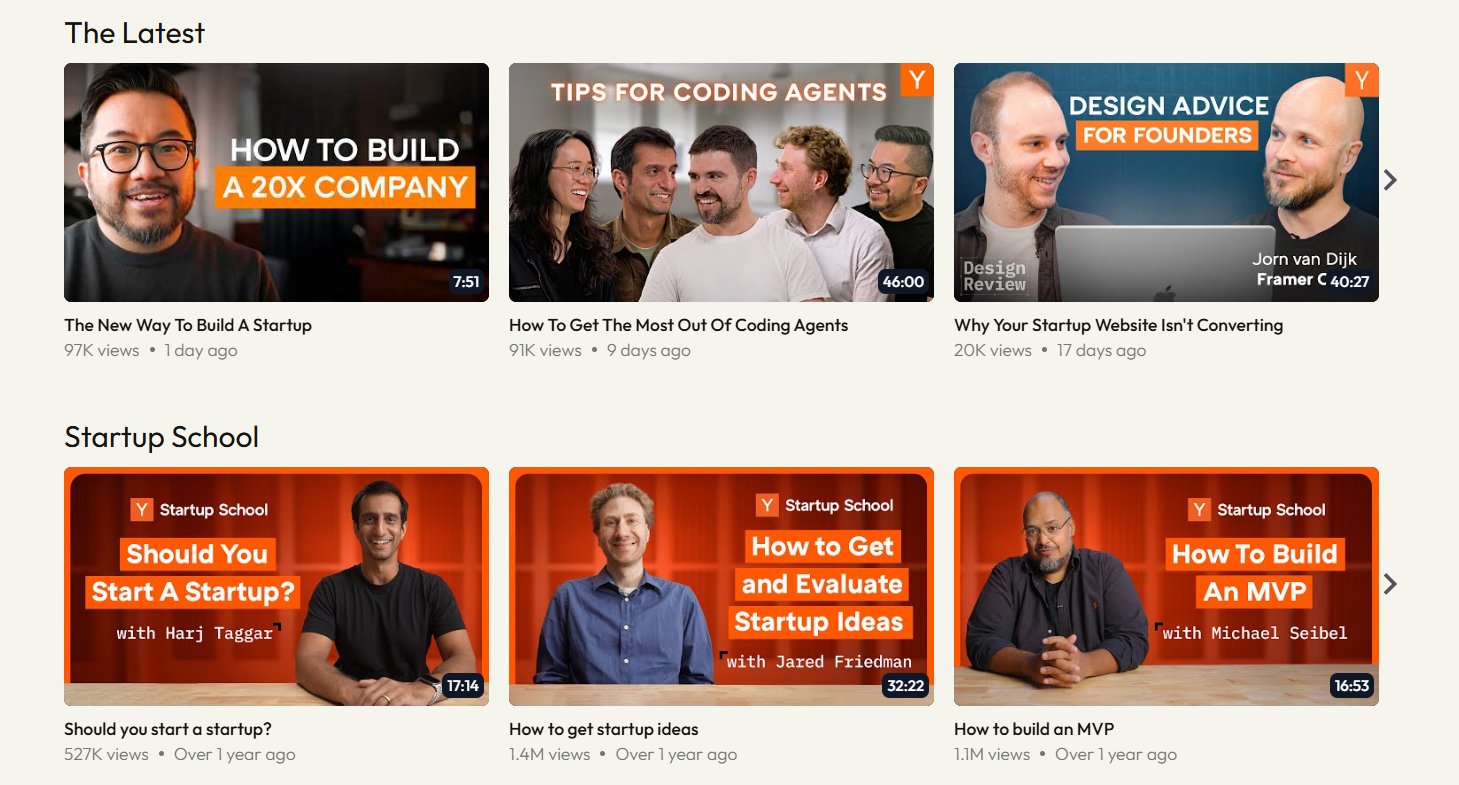
Some of the most valuable startup playbooks on the internet are sitting in plain sight — free, practical, and used by founders building the next generation of companies. These Y Combinator resources can shortcut months (or years) of trial and error.
Worth bookmarking:
- 🧠 Startup Library — A goldmine of essays, guides, and real startup lessons from YC partners.
- 🎓 Startup School — Free course covering idea validation, MVP building, growth, and fundraising.
- 🤝 Cofounder Matching — Connect with serious builders based on skills and goals.
- 💡 Requests for Startups (RFS) — See the exact ideas YC wants founders to build right now.
- 🎥 YC YouTube — Deep insights and lectures from top founders and investors.
- 🚀 Apply to YC — Understand the funding process and what it takes to get in.
Why it matters:
These resources reveal how top investors think — helping founders refine ideas, avoid common mistakes, and build with clearer direction from day one.
👉 Explore the full list and start learning from YC’s playbook →
✨ ICYMI — These Resources Blew Up This Week
Founders were scrambling for these drops—each one unlocked deal flow, investor access, or tactical fundraising shortcuts. If you missed them the first time, this is your chance to catch up before everyone else does.
Don’t wait. These are the kind of links founders bookmark—and competitors quietly use.
🔥 The Most Clicked Founder Resources
🔹 1000+ Angel Investors You Can Reach Today — One massive list to shortcut months of outreach.
🔹 Steal 100 Pitch Decks That Actually Closed — See exactly what winning decks look like.
🔹 101 Fintech VCs Most Founders Overlook — A free list built for fintech startups ready to raise.
🔹 300 Angels Backing Startups Right Now — A curated database for serious founders.
🔹 500 Ultra-Active Angels in One Place — Meet the angels writing checks this year.
🔹 Top 100 Angels You Should Pitch First — Your shortcut to high-signal early backers.
🔹 The 200 Angels Funding Fast-Growing Startups — A must-have list for early outreach.
🔹 The Pre-Seed Playbook Every Founder Needs — A practical guide to nailing your first raise.
🔹 2,500+ Verified Angels in AI & SaaS — Backers actively funding technical founders.
🔹 Fundraising Mistakes From a $13M Raise — Avoid the painful errors most founders repeat.
Don’t just save these—use them. The founders who act fastest raise fastest. Want these in a searchable Notion library?
🎯Startups Buzz
💬 Planning Reddit Marketing? Start Here
Reddit can be one of the most powerful — and misunderstood — channels for early traction. The right communities can validate ideas, spark honest feedback, and create momentum before a launch even begins.
Why the Startups subreddit matters:
- 🎯 Reach founders, builders, and early adopters in one place.
- 🧠 Get unfiltered feedback that sharpens positioning and messaging.
- 🚀 Spot trends, pain points, and real conversations happening right now.
- 🤝 Build credibility by contributing value before promoting anything.
The best results come from participating authentically — not pitching.
👉 Bookmark the Startups subreddit before the next launch →
🧠 Naval Ravikant’s Mental Models — Now as AI Prompts
Some frameworks don’t just change how decisions are made — they change how wealth is built. Turning Naval Ravikant’s mental models into AI prompts creates a practical way to pressure-test thinking, sharpen leverage, and rethink career strategy through the lens of specific knowledge.
Why this is powerful:
- ⚡ Break down complex decisions using proven mental models.
- 🧩 Identify leverage opportunities often hidden in plain sight.
- 🎯 Clarify strengths, positioning, and long-term wealth paths.
- 🧠 Stress-test ideas with sharper questions and frameworks.
13 prompts designed to rethink career direction, decision-making, and wealth creation using Naval’s core principles.
👉 Explore the prompts and rethink how wealth gets built →
🎓 The 40-Minute Peter Thiel Lecture Every Founder Should Watch
Some ideas reshape how competition is understood — and this Stanford lecture from Peter Thiel is one of them. In under an hour, it breaks down why great companies avoid competing head-on and instead build unique advantages that others can’t replicate.
Key takeaways:
- 🧠 Why monopolies create more value than crowded markets.
- 🎯 The importance of building something truly differentiated.
- ⚡ How to think about competition from first principles.
- 📈 What separates lasting companies from short-term winners.
Understanding Thiel’s perspective can fundamentally change how markets, strategy, and long-term value creation are approached.
👉 Watch the lecture and rethink how competition really works →
🔥WEB PICKS
🎬 Hollywood isn’t happy about the new Seedance 2.0 video generator
Hollywood groups are pushing back against ByteDance’s new AI video model, Seedance 2.0, accusing it of enabling large-scale copyright infringement and deepfake content. The tool can generate short videos from text prompts and has already sparked backlash from studios and unions over missing safeguards.
👉 Read why this AI model is sparking industry backlash →
🧠 The enterprise AI land grab is on — Glean is building the layer beneath the interface
As big tech races to own the AI interface, Glean is betting on a different strategy — becoming the intelligence layer that connects models with enterprise data. The company is positioning itself as the “connective tissue” that gives AI systems real business context.
Explore why the real AI battle may be happening below the surface →
🇮🇳 India has 100M weekly active ChatGPT users, Sam Altman says
India has reached 100 million weekly ChatGPT users, making it one of OpenAI’s largest markets globally, with students driving much of the adoption. The milestone highlights the country’s growing importance in the global AI ecosystem.
👉 See what this growth means for the global AI race →
💰 Blackstone backs Neysa in up to $1.2B financing
AI infrastructure startup Neysa has secured up to $1.2B in funding led by Blackstone to expand domestic compute capacity in India. The company is building GPU-first infrastructure to meet rising demand for local AI workloads and data sovereignty.
Read how this deal signals a major push for local AI infrastructure →
⚡As AI data centers hit power limits, Peak XV backs C2i
Power — not compute — is becoming the biggest constraint for AI infrastructure. Startup C2i is tackling the bottleneck with system-level power solutions designed to reduce energy loss and improve data center efficiency.
Discover why energy is the next big AI infrastructure challenge →
🤖 OpenClaw creator Peter Steinberger joins OpenAI
Peter Steinberger, creator of the AI assistant OpenClaw, has joined OpenAI — a move that highlights ongoing talent consolidation as the AI race intensifies.
Read what this hire signals about the next phase of AI development →
Peter Steinberger is joining OpenAI to drive the next generation of personal agents. He is a genius with a lot of amazing ideas about the future of very smart agents interacting with each other to do very useful things for people. We expect this will quickly become core to our…
— Sam Altman (@sama) February 15, 2026