🚀Why Startups Are Winning the AI Race Without Hiring AI Talent
🧠 Founder Genius Is Overrated
In This Edition:
- 🚀 The AI Talent Myth Startups Ignore
- 🧠 Founder Genius Is Overrated
- ⚡ The Struggle Is the Job
- 🧩 How Perplexity Won Early
- 🚫 The Anti-Pitch That Kills Ideas
- 📉 Seed Rounds Die on Metrics
⚡ How Small Teams Are Outperforming $200K Engineers
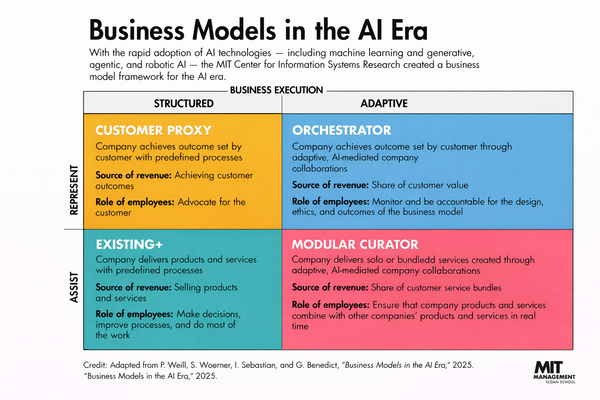
🚀 Why Startups Are Winning the AI Race Without Hiring AI Talent
Startups Aren’t Losing the AI Talent War — They’re Playing a Smarter Game
Big Tech wins bidding wars. Startups win by changing the rules.
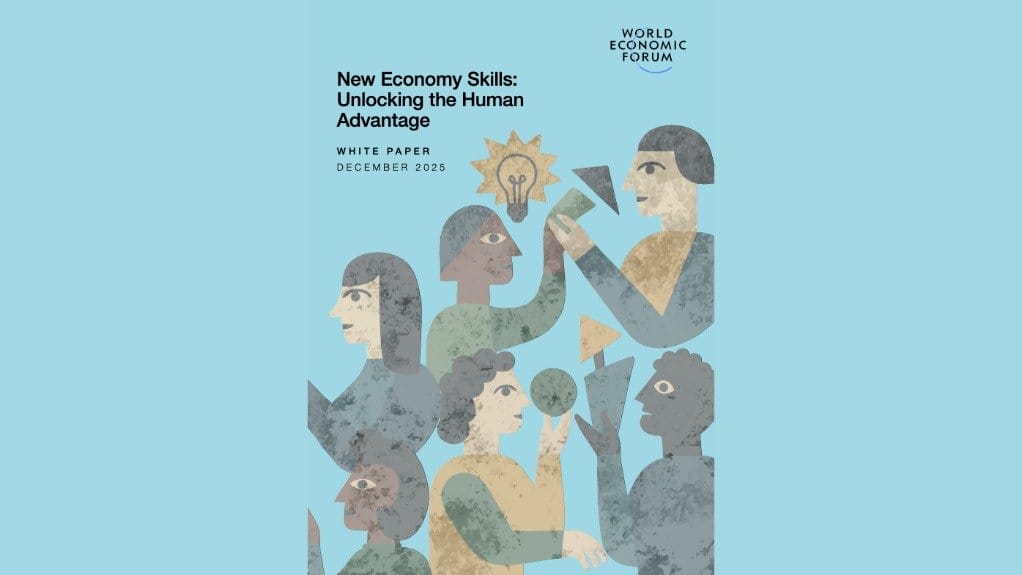
The data is clear: elite AI talent is expensive, scarce, and optimized for scale—not speed. The real leverage isn’t hiring PhDs at $200K+. It’s building teams that know how to wield AI, adapt fast, and compound output with the right tools.
Founders who focus on AI literacy, hybrid skill sets, and ecosystem leverage are shipping faster—with far less burn. This is how small teams quietly outperform companies 10× their size.
👉 Read the full breakdown of the 6 leverage points smart founders are using to win the AI era
One shift here can change how you hire, train, and scale in 2026.
👀 Most Founders Are Fighting the Wrong AI Battle
🧠 Why “Founder Brilliance” Isn’t the Real Advantage
Unicorns Aren’t Built by Genius Alone
We love the myth of the brilliant founder. The data tells a different story.
Most unicorns emerge where capital permission, market gravity, talent density, and policy precision already exist. The U.S. didn’t just “out-innovate” — it spent decades rewiring capital flows. China scaled internally before going global. Smaller ecosystems won by being intentional, not loud.
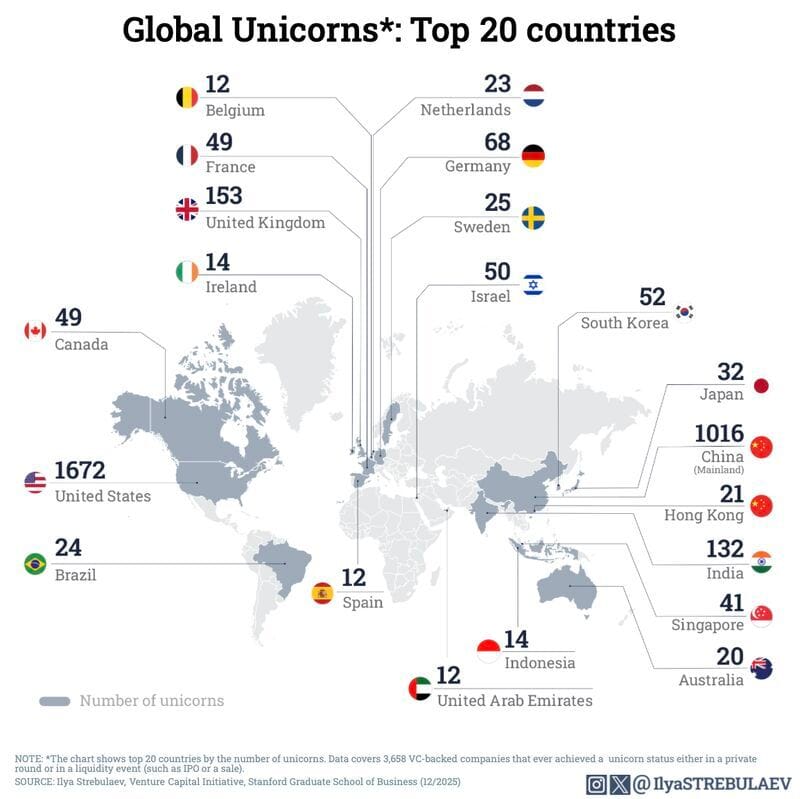
The real edge for founders isn’t working harder.
It’s plugging into the right economic engine at the right moment.
👉 See the full breakdown of how each unicorn engine actually works—and what it means for where you build next
This will change how you think about geography, fundraising, and timing.
🏴 Unicorns Are Earned Inside the Struggle
🧠 Why “The Struggle” Is Actually the Job
Every startup begins with optimism—and then reality hits hard. Markets shift. Products break. Confidence erodes. According to Ben Horowitz, this moment isn’t failure; it’s the default path of company-building.
“The Struggle” is the quiet weight founders carry: isolation at the top, exhaustion that doesn’t fade, and the constant questioning of whether you’re the right person for the job. Most people don’t quit because they’re wrong—they quit because they can’t stay in it long enough. The founders who endure learn a brutal truth: silence creates panic, honesty creates options, and survival often comes from moves that look unlikely in the moment.
Unicorns aren’t imagined in comfort.
They’re earned inside the struggle.
👉 Read the full breakdown of The Struggle—why it breaks most people, how great founders survive it, and why it’s the real filter of greatness
If you’re building right now, this is required reading.
🧩 How Perplexity Found Its Edge Before the Market Did
How to Build the Future (When Google Is Your Competitor)
Perplexity didn’t start with a grand plan to replace search. It started with a founder obsessed with first principles.
In this conversation with YC’s David Lieb, Aravind Srinivas breaks down how his early AI work shaped Perplexity, why “the user is never wrong” became a core operating rule, and how brutal honesty inside the team surfaced the hardest bugs before users ever saw them. The real lesson isn’t about search—it’s about staying fast, opinionated, and user-aligned while competing with giants that move slowly by default.
This is a rare, ground-level look at how modern AI companies are built before they look inevitable.
👉 Read the full breakdown of Aravind’s playbook—from first iterations to Perplexity’s edge against Big Tech.
If you’re building in AI or search, this one’s worth your time.
🔥 ICYMI: Founder Resources You Probably Missed
These high-impact reads have been powering sharper pitches, smarter fundraising, and faster investor yeses. If you missed them, now’s the time to catch up before everyone else does.
🚀 Harvard’s Startup Guide: Turning Ideas Into Impact
The hidden frameworks elite founders quietly rely on.
📚 The Ultimate Fundraising Resource Stack
A vault of tools most founders don’t know exists.
🔑 The Most Overlooked Key to Fundraising Success
YC founders swear by this — yet most ignore it.
🔥 Paul Graham’s ‘Small, Intense Fire’
The mindset shift that separates funded from forgotten.
🧠 What Sam Altman Wants Every Founder to Know
The blunt guidance founders rarely hear early enough.
📊 Venture Math Demystified
Why VCs say no — even when your pitch feels strong.
💡 200+ Easy Ways to Make Money Using AI
Surprising, practical income ideas you can start today.
🚀 100+ VCs & Accelerators You Should Know
A curated map of investors actively backing early teams.
📘 Ben Horowitz’s High-Stakes Leadership Playbook
How great founders act when everything breaks at once.
🤖 29 Angels & VCs Funding AI Startups Right Now
Verified, active investors hunting for their next AI bet.
💼 50 Recently Funded B2B Startups
What’s getting funded right now — and why.
🎯 Startups Buzz
The Anti-Pitch Is Real — and It’s Lazy
Every founder perfects the pitch.
Few prepare for the anti-pitch: the one-liner designed to shut the idea down in seconds.
“Too crowded.”
“Just a GPT wrapper.”
“They’ll copy you.”
“Hard to monetize.”
Most of the time, the skeptic is statistically right. And yet—if we listened to anti-pitches, we wouldn’t have the internet, Uber, or half the products we use daily.
The real skill isn’t arguing louder.
It’s learning when to ignore, when to listen, and when to reframe the idea so you don’t accept someone else’s lazy framing.
THE ANTI-PITCH:
— andrew chen (@andrewchen) September 8, 2025
One-liner rebuttals that kill startup ideas
The optimist has the Pitch, and the skeptic has the Anti-Pitch.
The Pitch — and sometimes we call it the elevator pitch — is sacred inside the tech industry. We pithily describe a new idea, how it works, and why it’ll… pic.twitter.com/7qR03VVV4K
Great founders don’t win debates.
They design better pitches that escape the pitch maze entirely.
👉 What’s the most common anti-pitch you hear when sharing new ideas?
Seed funding isn’t lost on vision. It’s lost on numbers.
After reviewing countless Seed decks, the pattern is consistent: founders tell a compelling story—then the metrics fall apart under scrutiny. Inflated MRR, fuzzy growth rates, and misunderstood unit economics quietly kill momentum.
What investors actually look for isn’t perfection.
It’s measurement discipline, honest revenue, and a clear trajectory of improvement—even when the numbers are still small.
If you’re raising Seed, the bar has moved. Revenue is expected earlier, and how you track it matters as much as how much you have.
Before your next pitch, make sure your metrics tell the real story.
👉 If you’re a Seed founder (or advising one), this is worth a careful read.
🔥WEB PICKS
• Notion quietly tested an AI-first workspace, complete with dedicated AI tabs, usage credits, and internal models hidden behind dessert-style codenames—hinting at how productivity software may soon monetize intelligence, not seats.
• Researchers built the world’s smallest programmable autonomous robots, pushing the boundary of what “autonomous” even means at microscopic scales.
• China deployed humanoid robots at a Vietnam border crossing for 24/7 security operations, turning sci-fi imagery into everyday infrastructure.
• AI startups raised a record $150B in 2025, even as Goldman Sachs warned that new AI deal announcements now trigger ~2% stock drops—signaling growing investor fatigue beneath the funding boom.
• Data centers are bypassing grid delays by using aircraft jet engines, with firms like Boom Supersonic enabling on-site power to dodge 7-year connection wait times.
• Developer Nathan Barry rewrote a diffusion model into a single 364-line file, making it 3× smaller and revealing that diffusion vs GPT-style models differ by just one architectural line.
• Claude Opus 4.5 generated a full MIDI mixer in Rust as a terminal app, prompting developers to say it’s “counterintuitively an order of magnitude better”—without sounding like hype.
One example of something I couldn't believe Claude Opus 4.5 could generate until it did: a full-on MIDI mixer as a terminal app, written in Rust. https://t.co/yY35c1qUn6 pic.twitter.com/gsA9WXWk3j
— Max Woolf (@minimaxir) December 29, 2025