🚨Only 30% Make It to Series A
🚀 How Lovable Hit $200M ARR Without Selling
In This Edition:
- 🚨Only 30% Make It to Series A
- 🎥 Turn 60-minute videos into 30-second visuals
- 📚 High-Stakes Venture Capital Rounds.png
- 🎯 How to pitch in 10 slides or less
- 🧠 Why leadership content beats paid ads
- 🤖 The real definition of AI sales assistants
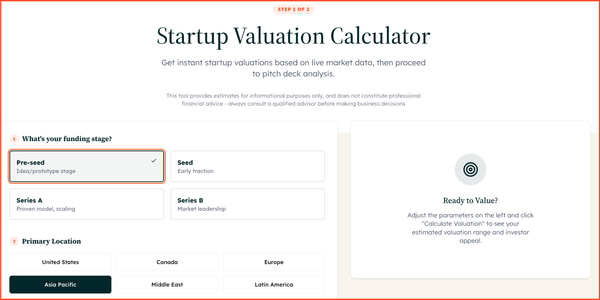
🚨 Only 30% Make It to Series A
🚨 Why Only 30% Make It to Series A
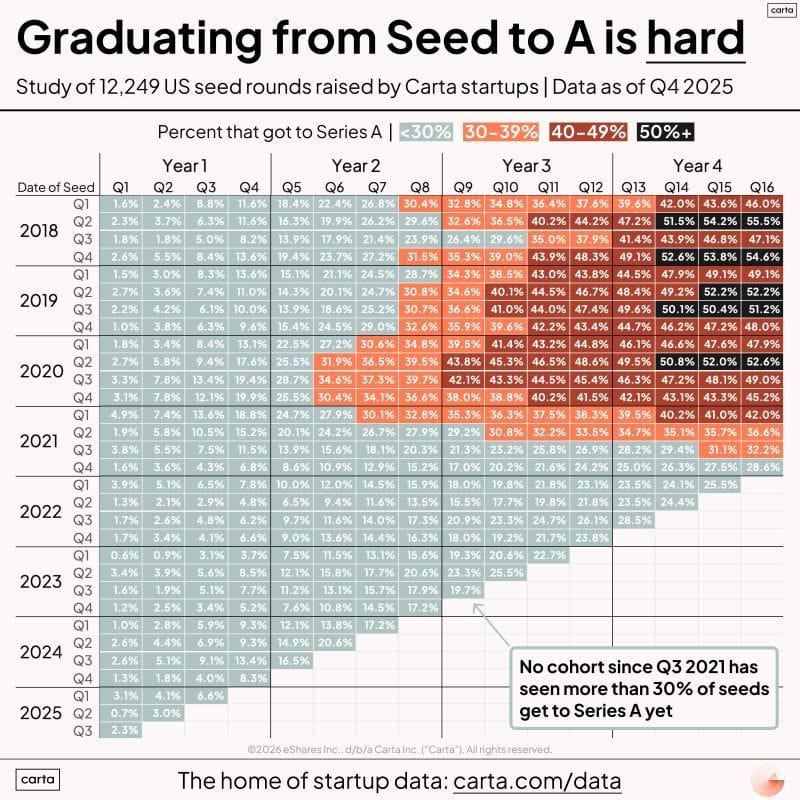
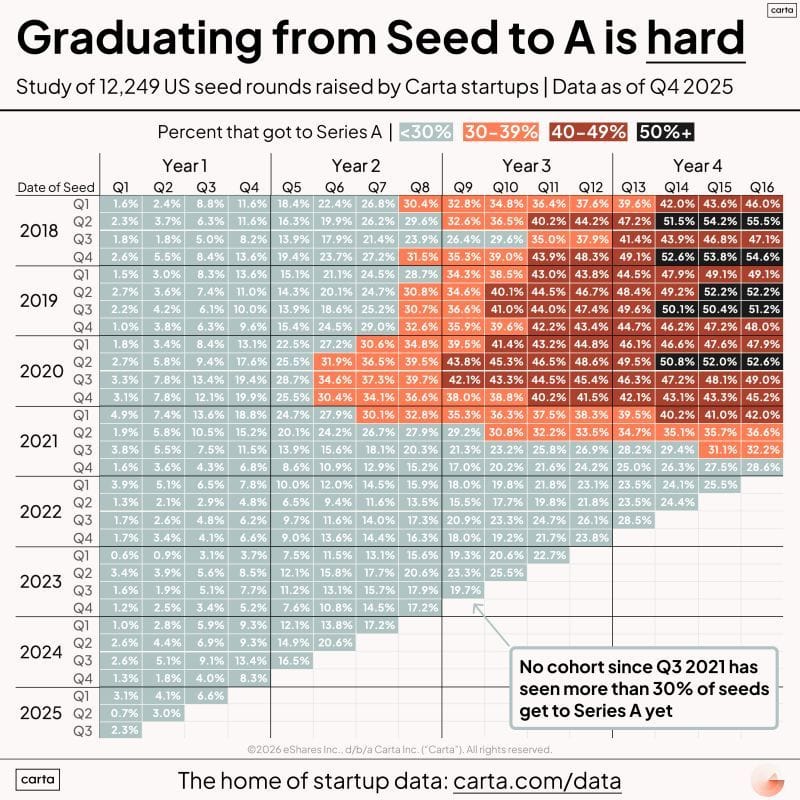
Raising a seed round isn’t the win most headlines make it out to be.
The real challenge? Surviving long enough to earn your Series A.
Data shows that only ~30% of seed-stage startups (at peak) made it to Series A within two years—and that level hasn’t been seen since 2021. The funding boom of 2020–21 was the exception, not the rule.
Today’s market is sharper, more selective, and less forgiving.
Seed isn’t validation.
It’s permission to prove you deserve the next round.
The founders who win now aren’t just raising fast — they’re building durable companies that can survive when capital gets tight.
That’s the real game.
👉 Want the full breakdown, data insights, and what this means for 2026 founders?
Read the complete analysis here and rethink your fundraising strategy.
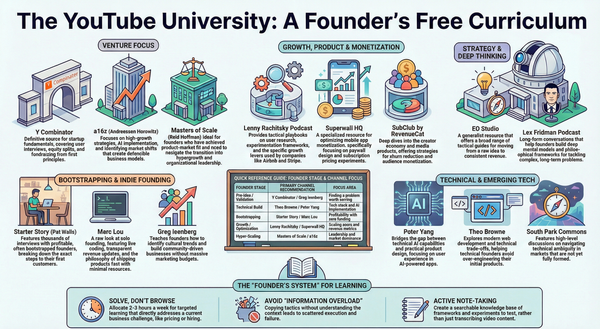
🔥 Turn 60-minute videos into 30-second visuals
🔥 Turn 60-minute videos into 30-second visuals

Most founders are sitting on hours of high-signal video content—and doing nothing with it.
Meanwhile, a few smart operators are quietly turning YouTube lectures, podcasts, and talks into scroll-stopping infographics in minutes, not days—without designers, agencies, or bloated tools.
This edition breaks down the exact AI workflow they’re using to multiply content output, save time, and win attention across LinkedIn, X, and Pinterest.
👉 Open this now and steal the workflow before it becomes standard practice.
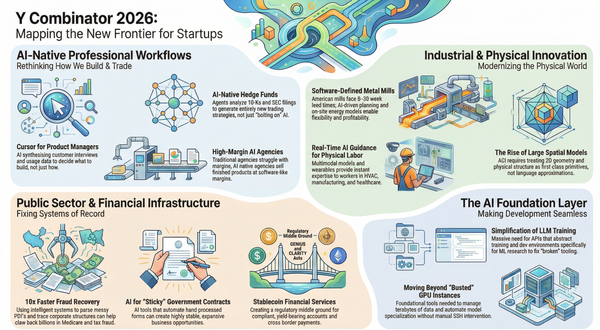
🚀 High-Stakes Venture Capital Rounds
💰 Startup Funding Radar
Big rounds. Bigger valuations. And AI still dominating the capital flow.
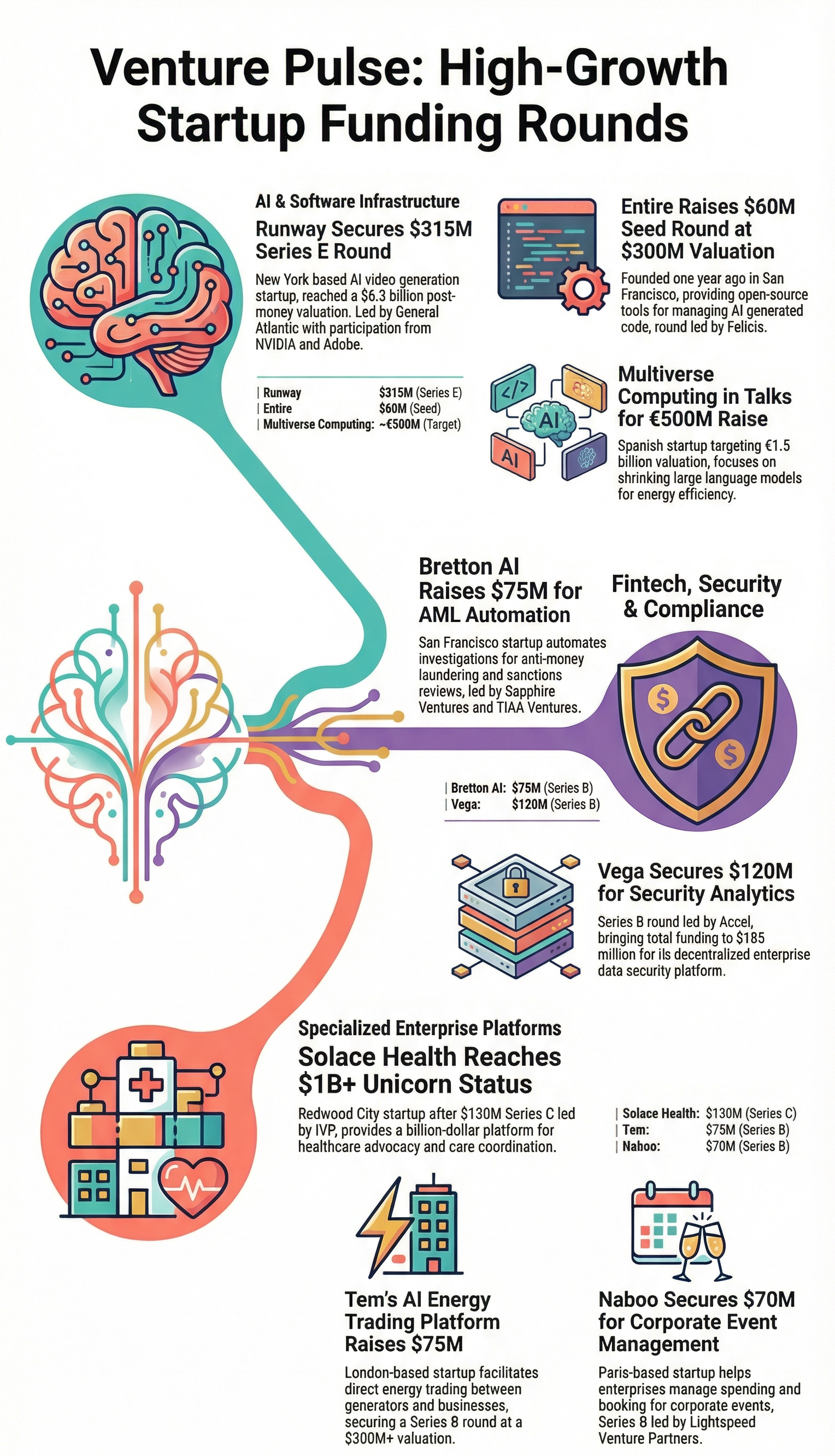
🚨 Bretton AI — $75M Series B
San Francisco–based Bretton AI raised $75M to automate AML, KYC, and sanctions investigations.
Led by Sapphire Ventures, with backing from TIAA Ventures, Greylock, Thomson Reuters Ventures, Canvas Ventures, and Y Combinator.
Compliance automation is becoming serious infrastructure.
🧠 Entire — $60M Seed @ $300M Valuation
This SF startup builds open-source tools to manage and review AI-generated code.
Led by Felicis, with Madrona, M12, and Basis Set participating.
AI agents writing code is one wave.
AI tools governing that code is the next.
⚡ Multiverse Computing — €500M (Reported)
The Spain-based company is reportedly raising ~€500M at a €1.5B+ valuation.
Their focus? Compressing large language models to reduce compute and energy usage.
Efficiency is becoming the new AI arms race.
🎟️ Naboo — $70M Series B
Paris-based Naboo raised $70M to streamline corporate event booking and spend management.
Led by Lightspeed Venture Partners.
Vertical SaaS continues to quietly scale.
🎬 Runway — $315M Series E @ $5.3B
AI video generation giant Runway secured $315M, led by General Atlantic.
Backed by Nvidia, Fidelity, Adobe Ventures, AMD Ventures, and more.
AI video is no longer experimental — it’s enterprise-scale.
🏥 Solace Health — $130M Series C @ $1B+
Redwood City startup Solace Health raised $130M to connect patients with healthcare advocates.
Led by IVP.
Healthcare navigation is becoming a major AI-enabled category.
⚡ Tem — $75M Series B @ $300M+
London-based Tem raised $75M for its AI-powered electricity trading platform.
Led by Lightspeed Venture Partners.
Energy markets + AI optimization = strong investor appetite.
🔐 Vega — $120M Series B
NY-based Vega raised $120M, led by Accel, bringing total funding to $185M.
The company provides security analytics without centralizing enterprise data — a major differentiator in today’s privacy-first world.
👉 Curious who’s leading the biggest bets right now? Click below to explore deeper investor signals, valuation moves, and funding context. 👇
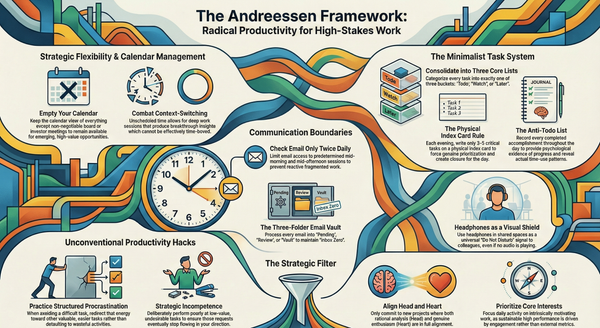
📊 How to pitch in 10 slides or less
🧠What VCs Are Really Judging in Your First 10 Slides
Most startups don’t fail because the idea is bad.
They fail because founders chase VC money before they understand how the game is actually played.
This edition breaks down what VCs really look for, how to know if you’re actually VC-ready, and the quiet mistakes that kill deals before the first meeting ends.
If fundraising is on your roadmap—even “maybe later”—this is required reading.
👉 Open this now and learn how founders turn interest into signed term sheets.
Here are 450+ pitch decks showing how the biggest startups actually raised funding.
Not theory.
Not templates.
Real decks from companies that went on to raise millions—and billions.
You’ll see:
- How top startups structured their story
- What they highlighted (and what they left out)
- How they explained traction, markets, and vision
- Why investors said yes
👉 Browse 450+ real pitch decks and learn how big startups got funded.
🔥 Why Leadership Content Beat Paid Ads
🚀 How Lovable Hit $200M ARR Without Selling “Productivity”
Lovable didn’t win by selling AI productivity.
They won by selling human empowerment—and scaled to $200M ARR in 12 months without playing the usual Silicon Valley playbook.
No hype funnels.
No “AI saves you time” pitch.
Just a leadership-led movement that turned users into believers and content into distribution.
This edition breaks down exactly how Lovable engineered culture, community, and credibility into one of the fastest AI growth stories we’ve seen.
👉 Read this now to understand why most AI startups copy features—and miss the real advantage.
🔥 The real definition of AI sales assistants
🧠 Why “Just Using a CRM” Is Now a Sales Handicap
Sales teams aren’t losing deals because they lack hustle.
They’re losing because reps spend 40%+ of their time on research, notes, CRM updates, and follow-ups.

The smartest revenue teams are quietly fixing this—not with more headcount, but with AI sales assistants that think, suggest, and act in real time.
This edition breaks down what actually works, which tools matter, and how founders are redesigning sales orgs around AI—not bolting it on.
👉 Open this now and see how modern teams are selling faster with fewer people.
🔥WEB PICKS
🧠 AI Signals You Shouldn’t Ignore
The AI narrative is shifting — from hype to consequences. Here’s what matters:
⚙️ AI Makes the Easy Work Easier — And the Hard Work Harder
A developer argues AI coding assistants speed up boilerplate…
but leave humans stuck debugging edge cases, managing context, and fixing subtle errors.
The result? Productivity feels faster — until it isn’t.
👉 Are AI copilots helping you — or quietly slowing you down?
🏢 Making AI Work Inside Organizations
Wharton professor Ethan Mollick outlines a simple framework:
• Leadership sets the vision
• A centralized AI lab prototypes use cases
• Employees crowdsource applications
AI adoption isn’t a tool problem.
It’s an operating model problem.
👉 The blueprint companies are using to scale AI internally.
📉 How to Hedge the AI Bubble
Three of the top seven AI stocks just dropped below their 200-day moving averages — even with $650B in projected capex.
Strategists suggest hedging through:
⚡ Infrastructure
🔌 Electrification
🧱 Picks-and-shovels plays
👉 Smart money isn’t exiting AI — it’s repositioning.
🤖 Databricks CEO: SaaS Isn’t Dead — But It’s Changing
Ali Ghodsi says AI agents will bypass traditional software interfaces.
No dashboards. No forms.
Just natural language → API → execution.
If true, SaaS won’t disappear.
It’ll become invisible.
👉 Is this the end of UI-driven software?
📊 Are Companies “AI Washing” Layoffs?
Economists found just 4.5% of 2025 layoffs were truly AI-driven.
Most cuts? Pandemic overhiring + cost restructuring — rebranded as “automation.”
👉 AI may be the headline — but is it the real cause?
🏛️ AI Drafting Federal Regulations
The U.S. Department of Transportation plans to use Google’s Gemini to draft regulations in minutes instead of months.
Speed vs. oversight.
Efficiency vs. risk.
👉 AI is now shaping policy — not just products.