Is Your Startup
Ready for
Pre-Seed Funding?
|
|
Raising your
first round of
funding as a
founder is one of
the most pivotal
steps in
transforming your
startup idea into
a viable business.
But with limited
traction, a lean
team, and few
resources, how do
you convince
investors to take
a chance on you?
The key lies in
securing pre-seed
funding
— the critical
first investment
that can turn your
idea into
reality.
|
|
In this playbook,
we’ll dive into
key strategies
that will help you
successfully
navigate the
pre-seed funding
process and
maximize your
chances of raising
the capital needed
to get your
startup off the
ground.
|
1. Develop a
Strong Pitch
Deck
|
|
Your pitch deck
is your first
chance to make a
lasting impression
on potential
investors. At the
pre-seed stage,
your deck doesn’t
need to be perfect
— it needs to
clearly articulate
your vision, the
problem you're
solving, and why
you're the right
person to solve
it.
|
|
Key Elements of
a Pitch Deck:
|
-
Problem
&
Solution: Be clear
about the
problem
you're
solving and
how your
solution
stands out
from the
competition.
-
Market
Opportunity: Show that
there’s a
substantial
market for
your
product.
Investors
need to know
that the
problem
you’re
solving is
significant
and the
market is
large enough
to support
growth.
-
Business
Model: Explain
how you plan
to make
money — even
if you don’t
have a
revenue
stream yet,
showcase
your vision
for
monetization.
-
Traction: Even in
the early
stages, show
any signs of
progress
you’ve made,
such as a
prototype, a
small user
base, or
partnerships.
-
Team: Investors
are
investing in
you, the
founder.
Showcase the
strength of
your team
and why
you’re
uniquely
positioned
to
succeed.
|
|
Remember,
investors are
looking for a
compelling
narrative. The
goal is to create
a story that
connects
emotionally and
logically with
potential
investors. Keep
your pitch concise
but
impactful.
|
2. Network
Early and Build
Relationships
|
|
Securing pre-seed
funding isn’t just
about having the
right deck — it’s
also about
building
relationships.
|
|
Networking early
with investors,
mentors, and
fellow
entrepreneurs will
open doors to
opportunities and
feedback that can
shape your
strategy.
|
|
How to Network
Effectively:
|
-
Attend
Startup
Events
&
Meetups: These
gatherings
are a
goldmine for
meeting
potential
investors
and fellow
founders who
can offer
advice and
introductions.
-
Engage on
Social
Media: Use
platforms
like
LinkedIn and
Twitter to
connect with
investors
and share
your
journey.
Authentic
engagement
is a
powerful way
to attract
interest.
-
Leverage
Your
Existing
Network: Reach out
to people
you know who
can make
introductions
or offer
advice.
|
|
Networking isn’t
about making a
direct ask
immediately. It’s
about cultivating
trust and
fostering
connections that
could eventually
lead to
investment.
|
3. Leverage
Accelerators and
Incubators
|
|
Accelerators and
incubators offer
more than just
funding — they
provide
mentorship,
community, and
credibility.
|
|
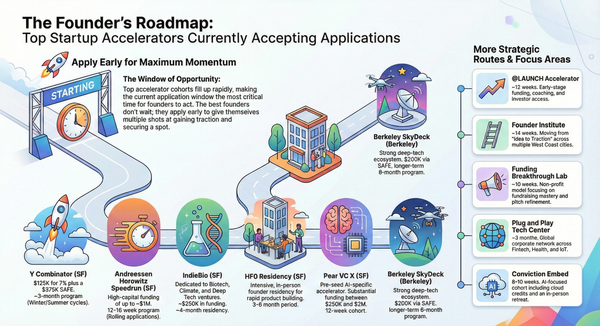
Programs like Y Combinator, Techstars, and Seedcamp
are designed to
help startups at
the earliest
stages by offering
resources, office
space, and
guidance from
experienced
mentors.
|
|
Benefits of
Joining an
Accelerator:
|
-
Funding: Many
accelerators
offer
initial seed
funding in
exchange for
equity.
-
Mentorship: Gain
access to
seasoned
entrepreneurs
and
investors
who can
offer
valuable
advice.
-
Credibility: Being
part of a
well-known
accelerator
adds
credibility
to your
startup,
which can
make it
easier to
attract
future
investors.
|
|
If you’re
considering an
accelerator,
choose one that
aligns with your
startup’s mission
and industry. The
right accelerator
can be a powerful
stepping stone to
your first
investment
round.
|
4. Target the
Right
Investors
|
|
Not all investors
are interested in
pre-seed deals. At
this stage, you’ll
want to target angel
investors, micro-VCs, and early-stage
venture funds
that specialize in
investing in
startups before
they’ve achieved
product-market
fit.
|
|
How to Identify
the Right
Fit:
|
-
Research
Investor
Portfolios: Look at
the types of
companies
they’ve
invested in
and see if
there’s
alignment
with your
startup.
-
Find
Investors
Who
Understand
Your
Industry: Investors
with
experience
in your
space will
be more
likely to
back you, as
they
understand
the
challenges
and
potential.
-
Focus on
Pre-seed
Specialists: These
investors
are
comfortable
with
high-risk
investments
and are more
likely to
take a
chance on a
startup at
the pre-seed
stage.
|
|
Don’t waste time
pitching to
investors who
don’t align with
your vision. Focus
your efforts on
those who have a
track record of
funding
early-stage
startups.
|
5. Prepare for
Due Diligence
|
|
Even though
you’re raising
pre-seed funding,
investors will
still conduct due
diligence before
writing a check.
While the process
may be less
intense than later
funding rounds,
you need to be
prepared.
|
|
Key Documents
to Have
Ready:
|
-
Legal
Documents: Ensure
your company
is legally
formed, and
you have all
necessary
incorporation
documents,
intellectual
property
agreements,
and any
necessary
licenses.
-
Cap
Table: Prepare a
clear
breakdown of
your
company’s
ownership
structure.
-
Financials: While you
might not
have
detailed
financials
at this
stage,
having
projections
and an
understanding
of your
startup’s
financial
future is
crucial.
-
Market
Research: Investors
want to know
that there
is a real
market for
your
product, so
any research
you’ve done
should be
compiled and
ready to
present.
|
|
Being prepared
for due diligence
will demonstrate
professionalism
and readiness,
increasing your
chances of
securing
funding.
|
6.
Understanding
and Managing
Dilution
|
|
One of the most
important
considerations
when raising
pre-seed funding
is dilution. Pre-seed rounds
can be highly
dilutive,
especially if
you’re using
instruments like SAFE notes
or convertible
notes.
|
|
These tools allow
investors to
invest in your
company without
setting a
valuation, but
they often result
in more equity
being given up
down the
line.
|
|
How to Minimize
Dilution:
|
-
Be
Mindful of
Terms: While
SAFE and
convertible
notes are
common, make
sure the
terms are
favorable
and not
overly
dilutive.
-
Raise
Only What
You
Need: Don’t
raise more
than you
need in the
pre-seed
round. It’s
better to
raise less
and come
back for a
seed round
once you’ve
hit your
milestones.
-
Negotiate: Don’t be
afraid to
negotiate
terms with
investors,
especially
on things
like
valuation
caps or
conversion
discounts.
|
|
While dilution is
inevitable,
managing it wisely
can help you
maintain control
of your company as
you move toward
the next
round.
|
7. Set Clear
Milestones for
the Next
Round
|
|
Pre-seed funding
isn’t just about
getting money in
the door — it’s
about setting the
stage for future
investment. Use
the funds you
raise wisely to
hit key milestones
that will make it
easier to raise a
seed round
later.
|
|
Key Milestones
to Focus On:
|
-
Develop
an MVP: Your MVP
is the first
step toward
proving that
your idea
works in the
real
world.
-
Gain
Early
Traction: Show
early signs
of
product-market
fit, such as
user
engagement,
partnerships,
or early
revenue.
-
Build a
Strong
Team: Investors
want to see
that you’ve
assembled a
capable team
that can
execute the
vision.
|
|
Having clear
milestones not
only demonstrates
progress to
investors but also
helps you stay
focused on the
most important
objectives as you
move toward the
next stage.
|
Conclusion
|
|
Securing pre-seed
funding can be a
daunting process,
but with the right
strategy and
preparation, it’s
entirely possible.
Focus on crafting
a compelling pitch
deck, networking
early, leveraging
accelerators, and
targeting the
right investors.
|
|
Prepare for due
diligence, manage
dilution, and
ensure you’re
hitting the right
milestones for
future
rounds.
|
|
By following
these strategies,
you’ll increase
your chances of
successfully
raising the first
round of funding,
giving your
startup the
momentum it needs
to grow and
scale.
|
|
Ready to take
your startup
to the next
level? Start
applying these
strategies
today and
secure the
pre-seed
funding you
need to turn
your idea into
a thriving
business.
|
|
Download our
comprehensive
list of top
startup
programs that
provide
pre-seed
funding, even
before
traction,
product, or
revenue. Get
access to
funding,
mentorship,
and resources
to help you
succeed.
️
|